
How to Write a Resume With No Job Experience
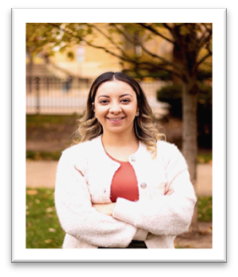

A First-Job Guide for Teens & Young Adults — Written by a Goodwill Career Specialist
Getting your first job can feel overwhelming — especially when you’re trying to write your first resume and thinking, “But I don’t have any experience.” As someone who helps teens and young adults build their very first resumes every day, I promise you this:
You have more experience than you think.
You’ve just never been paid for it (yet).
In this guide, I’ll walk you through how to write a strong, confident resume — even with no job history — using real strategies I teach in our Workforce Connection Centers.
You Have Experience — You Just Don’t Call It That Yet
The biggest worry I hear from teens is:
“I don’t have anything to put on a resume.”
But when we start talking, it turns out they’ve done a lot of:
- Leading teams or working on group projects through sports, clubs, band or theater
- Volunteering through church or community groups
- Organizing school projects
- Using tech skills like Canva, Google Docs, editing apps
- Helping family with childcare, cooking or errands
You may not have a paycheck yet, but you already have skills employers care about — like teamwork, time management, communication, and reliability.
My biggest tip:
Think in terms of skills and actions, not job titles.
For example:
- Babysitting = responsibility, scheduling, problem-solving
- Sports = discipline, commitment, teamwork
- School projects = organization, deadlines, communication
If you do it every week, it counts.
What to Put on a Resume With No Job Experience
Here’s the format I recommend for all first-time job seekers:
1. Contact Information
Name, phone number, email, city + state.
(You do not need your full home address.)
2. Professional Summary
A short 2–3 sentence intro about:
- What you bring to the table
- What you’re interested in
- Your motivation
Example:
Motivated high school student with strong teamwork and communication skills. Experienced in volunteering and group projects. Excited to learn new skills and contribute to a team environment.
3. Skills Section
Include a mix of:
Soft Skills (employers LOVE these):
- Reliability
- Communication
- Teamwork
- Adaptability
- Problem-solving
Technical Skills:
- Google Suite / Microsoft Office
- Social media
- Cash registers (if learned)
- Basic typing or email skills
(You’d be surprised how many teens don’t realize checking email is a skill!)
4. Experience Section (Paid OR Unpaid)
This is where you rewrite your story.
Examples from real student resumes:
- Packed food donations for 200+ families at Feed My Starving Children
- Refurbished headlights and rebuilt small engines in a family mechanic shop
- Led group assignments and met deadlines in AP English projects
- Babysat two siblings weekly; managed meals, bedtime, and activities
Use action verbs and try to include numbers whenever possible.
5. Education
School name, year, GPA (optional), relevant coursework, dual credit classes.
6. Achievements + Activities
Honor roll, perfect attendance, sports awards, clubs — this tells employers:
✔ You show up
✔ You follow through
✔ You can commit to something
7. References
Optional — “Available upon request” works fine.
Skill-Building When You’ve Never Had a Job
I always tell students:
You don’t need a job to build job-ready skills.
Here are easy ways to gain experience:
- Take free online certifications (Google, Microsoft Excel Basics, etc.)
- Volunteer at school, church, or community events
- Help family with errands, childcare, or organizing
- Join a club or sport
- Ask teachers or counselors for leadership opportunities
Every one of these can turn into a resume bullet point.
A Real Talk Moment About AI Resumes
Most teens today use AI to write resumes.
AI is helpful, but don’t let it do the talking for you.
Here’s what I teach:
Use AI for:
- Formatting ideas
- Bullet point inspiration
- Turning messy notes into organized lists
Do NOT use AI for:
- Writing your whole resume
- Creating sentences that don’t sound like you
- Copy/pasting generic summaries that 200 other students will also have
Employers can tell.
And if your resume sounds like AI, it can hurt your chances.
AI should be your assistant, not your voice.
How to Stand Out From Other First-Time Job Seekers
1. Start with a strong professional summary.
This is your “why” — and it helps employers connect with you.
2. Use accomplishment-based bullet points.
Here’s an example from a great resume I saw:
- Collaborated with 6 teammates to plan and run school event attended by 150 students. Managed setup, communication, and cleanup.
3. Check grammar and flow.
Most resume mistakes I see are tiny errors — but they matter. Minor errors show a lack of attention to detail. You don’t want to say you’re organized and pay attention to details, then have a typo in the next sentence!
4. Show willingness to learn.
Employers love hearing:
“I may not know everything yet, but I’m excited to grow.”
5. Turn your charm on during the interview.
Your resume gets you in the door — you close the deal.
What to Do After You Finish Your Resume
Here’s the roadmap I give my students:
- Apply online (Indeed, LinkedIn, employer sites).
- Drop off your resume in person when possible.
- Follow up in 1–2 days with a polite call or email.
- Go to job fairs or community hiring events.
Confidence makes a difference — and preparation builds confidence. Here's a downloadable checklist to make sure all your bases are covered when crafting your resume ➡️ How to Write a Resume Checklist
How the Workforce Connection Center Can Help
If you’re a young job seeker, we can support you with:
- Resume building from absolute scratch
- Mock interviews
- Digital literacy and job applications
- Career assessments
- Soft-skills training
- Help finding job leads
- Bus passes or gas cards (for qualifying clients)
- $25 clothing vouchers for interview outfits
- Onsite workshops and one-week training programs
And yes — you can walk in with nothing and leave with a full resume, cover letter, and a plan.
A Final Word for Anyone Feeling Discouraged
If you’re feeling intimidated, you’re not alone.
Finding a first job is hard — but it’s not impossible.
My advice?
Don’t give up.
Applied for 20 jobs? Apply for 20 more.
Stay open-minded.
Sometimes the right job finds you when you least expect it.
Show up as your best self.
Be early. Be kind. Be confident.
You deserve a chance — and the right employer will see that.
Walk in, call us, or bring a friend. You don’t have to figure it out alone — and we’d love to cheer you on every step of the way.
Start your free resume support today!