
Is it Real? Real Gold vs. Fake Gold

Thrift like a pro: How to tell if gold is real
If you’ve ever dreamed of finding real gold jewelry at a thrift store, you’re not alone. From vintage rings and wedding bands to hidden high-karat treasures, finding authentic gold secondhand can be incredibly rewarding — and yes, totally possible.
Learning how to identify real gold starts with knowing what to look for, from gold hallmarks and karat markings to color, texture and other clues. Here are some insider tips to help you spot genuine gold jewelry while thrifting, recognize common signs of fake gold and understand when it’s time to have a piece professionally tested.
Can You Really Find Real Gold at Goodwill?
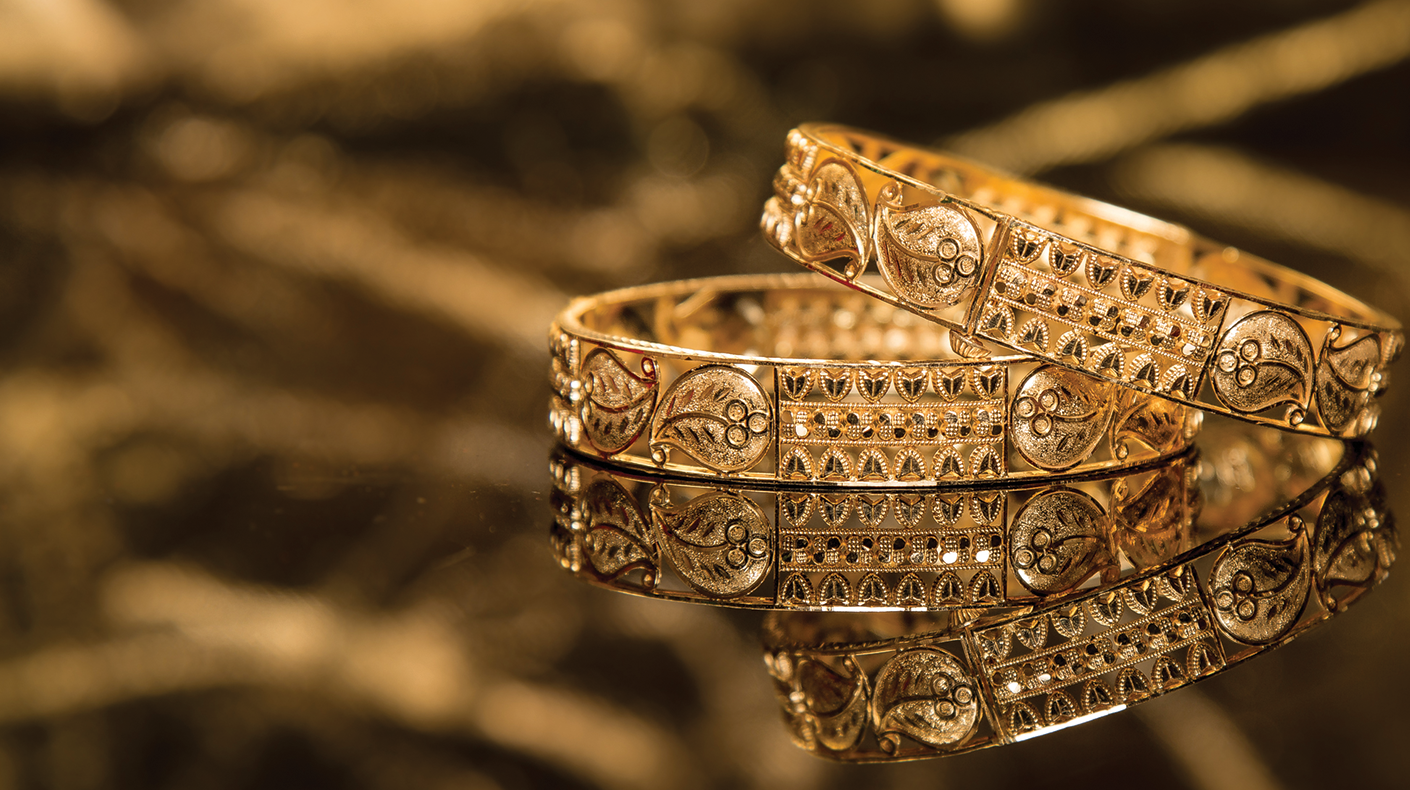
Absolutely. Most of the real gold jewelry that is donated to Goodwill is 10K or 14K gold, with the occasional 18K, 21K, 22K or even 24K piece. Higher-karat pieces may include jewelry with cultural ties to South Asia, the Middle East or Europe, such as Turkish bangles, Indian necklaces or Arab gold chains.
Other real-gold finds can include religious pendants, wedding bands and engagement rings, sorority and fraternity pins, vintage brooches and other collectible jewelry.
The trick is knowing which details can help you distinguish real gold vs. fake gold.
How to Tell if Gold Is Real
There isn’t one visual clue that can guarantee a piece is genuine. Instead, look at several characteristics together, including its markings, finish, wear and how the metal reacts to a magnet.
Check the Gold Hallmark
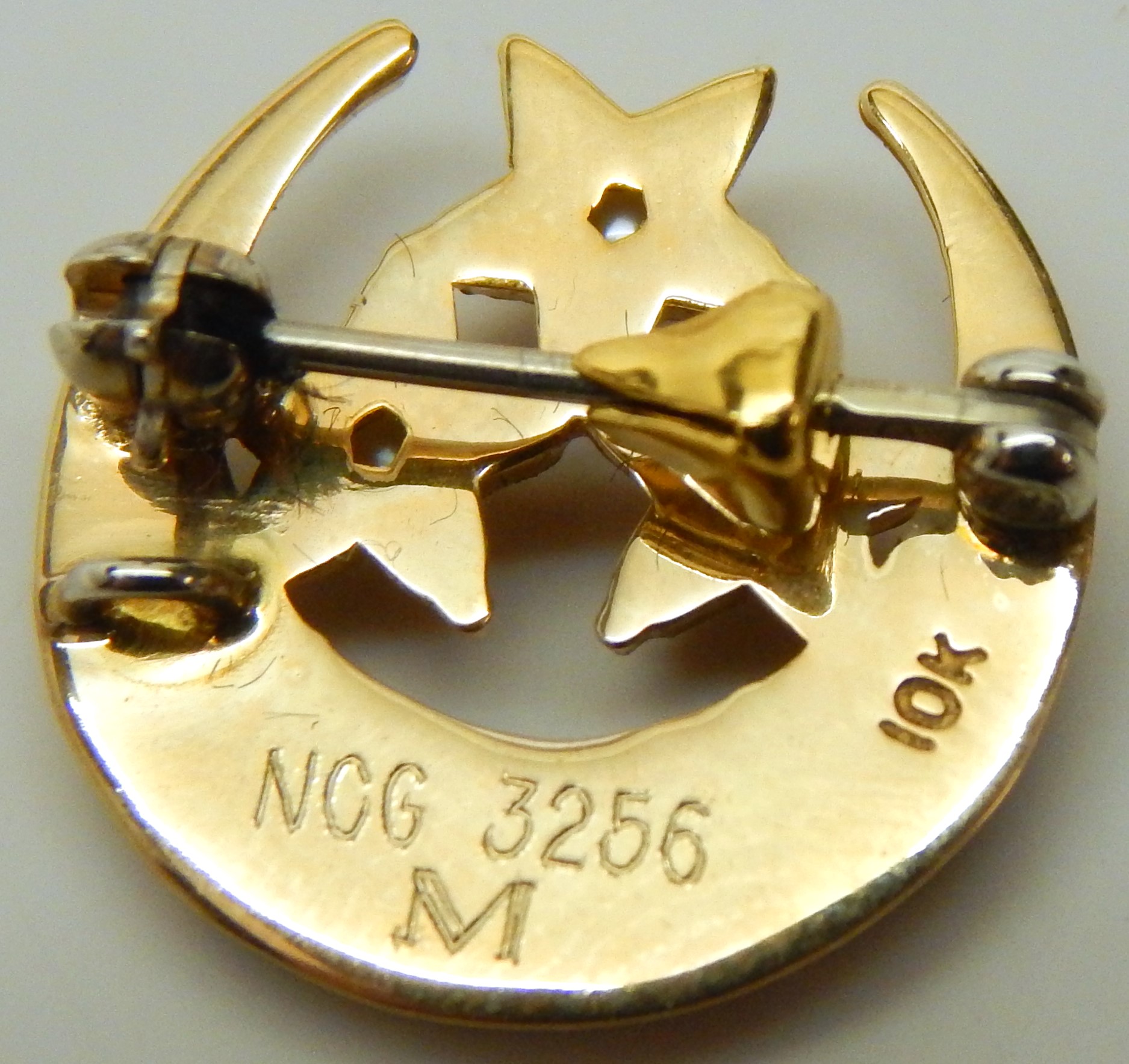
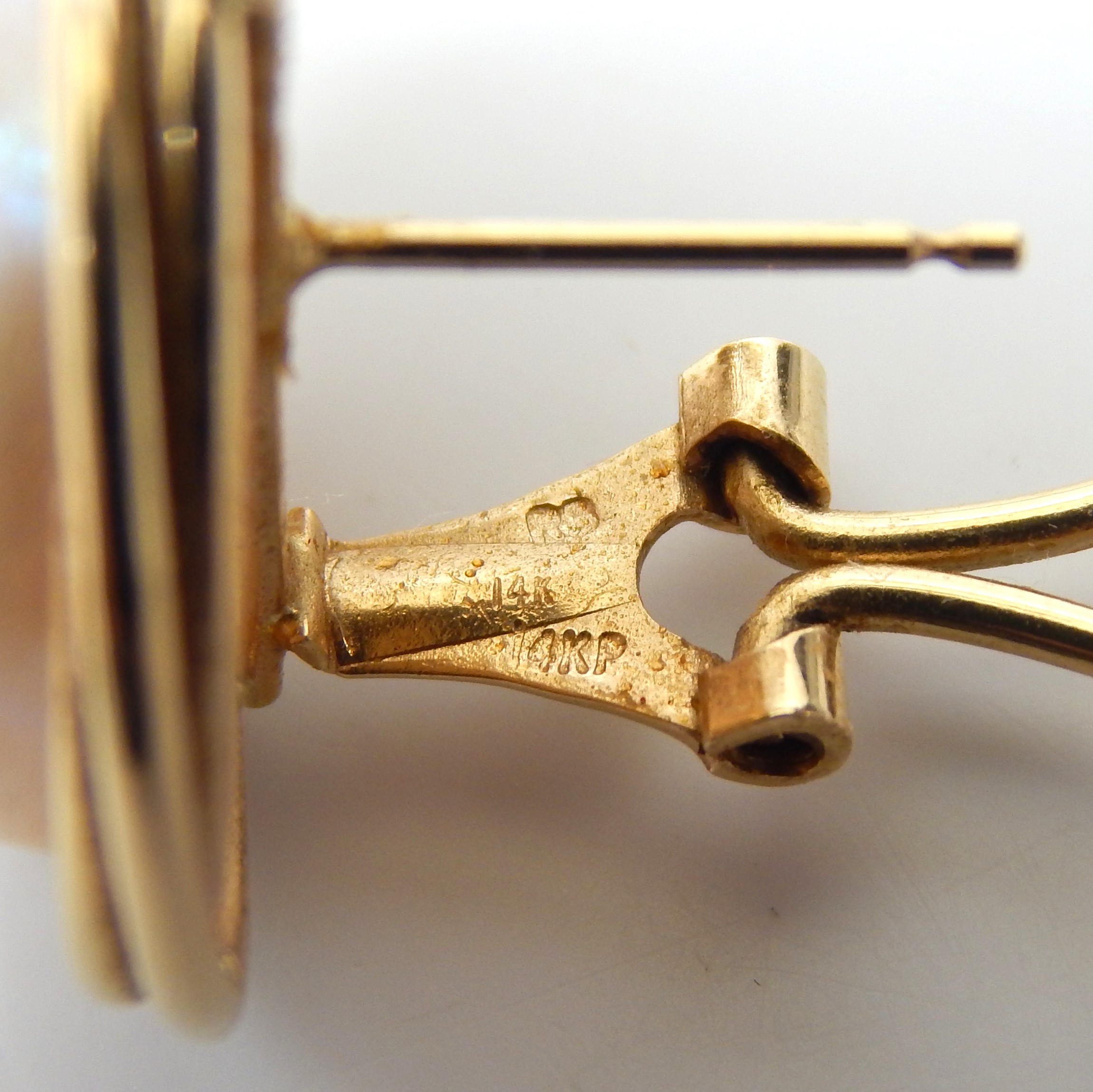
A gold hallmark is one of the first things to look for when examining a piece of jewelry.
Real gold jewelry may be stamped with a karat marking such as:
- 10K
- 14K
- 18K
You may also see numeric gold markings. For example, 585 indicates 14K gold, while 750 indicates 18K gold. A marking such as 14KP uses the “P” to indicate “plumb,” meaning the piece contains exactly the stated karat of gold.
When checking a ring, look closely at the inside of the band for a stamp. On necklaces and bracelets, markings may appear near the clasp or another less-visible area.
Keep in mind that a missing hallmark doesn’t automatically mean a piece is fake. Older and antique gold jewelry may not have a visible stamp. Hallmarks are an important clue, but they’re only one part of authenticating gold.
Know What Karat Gold Means
Karat markings tell you the purity of the gold. Pure gold is 24K, while lower-karat gold is mixed with other metals that can affect its strength, durability and appearance.
That’s why 14K and 18K gold can look slightly different in color. Higher-karat yellow gold generally contains more pure gold, while the additional alloys in lower-karat pieces can influence the final shade.
You may also encounter different colors of gold, including yellow gold, white gold and rose gold. Color alone isn't enough to determine whether jewelry is real, so always consider it alongside hallmarks and other indicators.
Inspect the Texture, Color and Wear
Take a close look at the entire piece, especially the edges and areas that receive the most wear.
Real gold should have a relatively consistent appearance, although genuine vintage jewelry may naturally show signs of age and use. With fake or gold-plated jewelry, you may notice peeling, uneven coloring or another metal beginning to show underneath.
Discoloration can be another clue. If jewelry leaves a green or dark mark on your skin, that can indicate another metal is present, but skin reactions alone aren't a definitive test of whether gold is real or fake.
Try the Magnet Test
Wondering, “Is real gold magnetic?” Pure gold is not magnetic, which makes a magnet a useful first screening tool.
If a piece is strongly attracted to a magnet, that's a red flag that it may contain a significant amount of another metal. However, the magnet test for gold isn't definitive. Jewelry can contain other metals as part of an alloy or in components such as clasps and fasteners.
Of course, this is a test you'll need to try once the jewelry is in your hands—not while shopping online. If you're browsing jewelry on ShopGoodwill.com, look to the item description for available details about the piece.
Think of the magnet test as one clue rather than proof.
Common Signs of Fake Gold
When you're comparing real gold vs. fake gold, watch for details that suggest a piece may be plated or made primarily from another metal.
Common red flags include:
- Peeling, flaking or noticeable color inconsistencies
- Copper or another base metal showing through worn areas
- Strong attraction to a magnet
- Rough finishes or poor construction
- Markings that don't match what the piece claims to be
A 925 stamp, for example, typically indicates sterling silver rather than solid gold. A 925 piece may still have a layer of gold over the silver, commonly known as gold vermeil, but it isn't solid gold.
And remember: a stamp isn't a guarantee by itself. Fake jewelry can carry misleading markings, which is why it's important to consider the entire piece rather than relying on a single hallmark.
Can You Test Gold at Home?
You can perform a few basic checks at home, but use caution before attempting any test that could damage the jewelry.
Start with the non-invasive methods:
Look for a hallmark or karat stamp.
Inspect the engraving. Does it look sharp and intentional?
Check the color and finish for peeling or exposed base metals.
Try a magnet test and look for strong attraction.
There are also gold jewelry testers and gold testing kits designed to evaluate metal purity, but testing methods vary and some can potentially damage a piece if they're used incorrectly.
If you've found jewelry that may be valuable — particularly an antique, heirloom or higher-karat piece — consider having a reputable jeweler evaluate it rather than relying solely on at-home testing. Professional jewelers may use specialized equipment to determine metal composition more accurately.
Real Gold vs. Gold-Plated Jewelry
Not everything that looks like gold is meant to be solid gold — and that doesn't necessarily make it “fake.”
Gold-plated jewelry has a thin layer of gold applied over another base metal. Gold vermeil similarly uses gold over sterling silver. These pieces can still be beautiful and wearable, but their gold content and value are different from solid-gold jewelry.
Over time, plating may wear away and expose the metal underneath. That visible change is one reason checking high-contact areas can be helpful when you're examining secondhand jewelry.
Understanding the difference between solid gold and gold-plated jewelry can help you better evaluate what you've found before buying.
Want to Find Real Gold? Go Online First.
While there are great places to browse budget-friendly accessories and unexpected jewelry finds, serious jewelry thrifters should also explore ShopGoodwill.com.
Items sold online are evaluated by trained staff, giving shoppers another way to search for secondhand jewelry with more information about what they're purchasing.
When you're shopping for gold jewelry online, you obviously can't feel the weight or inspect it from every angle yourself. Look closely at the listing photos and description, and check whether images of the item's hallmarks or stamps are included.
Why Shop for Secondhand Gold?
Shopping secondhand gold jewelry can be good for your wallet while giving existing pieces another chance to be worn and appreciated.
It can also open the door to jewelry you might not encounter while shopping new, including vintage pieces, unusual designs and styles with cultural or historical significance.
And the treasure hunt is part of the fun. You never know when a jewelry case might be hiding a 14K ring, vintage pendant or another unexpected find.
Before You Buy: Real Gold vs. Fake Gold Checklist
Before deciding you've struck gold, remember:
- Look for gold hallmarks and karat markings.
- Check the entire piece for changes in color, peeling or exposed metal.
- Use the magnet test as a clue, not a final answer.
- Remember that unmarked jewelry can still be genuine.
- Know the difference between solid gold, gold-plated jewelry and gold vermeil.
- Ask a reputable jeweler to test the piece if you're unsure.
Whether you're treasure hunting in a Goodwill store or browsing jewelry online, knowing how to tell if gold is real can help you shop more confidently.
And sometimes, the best find starts simply because you decided to take a closer look.
This post is an updated version of a blog originally published in August 2025.