
How to Make a DIY Terrarium Using Thrifted Finds (Inspired by UWM’s Campus Tradition)
-2.png?sfvrsn=d79aee4_1)
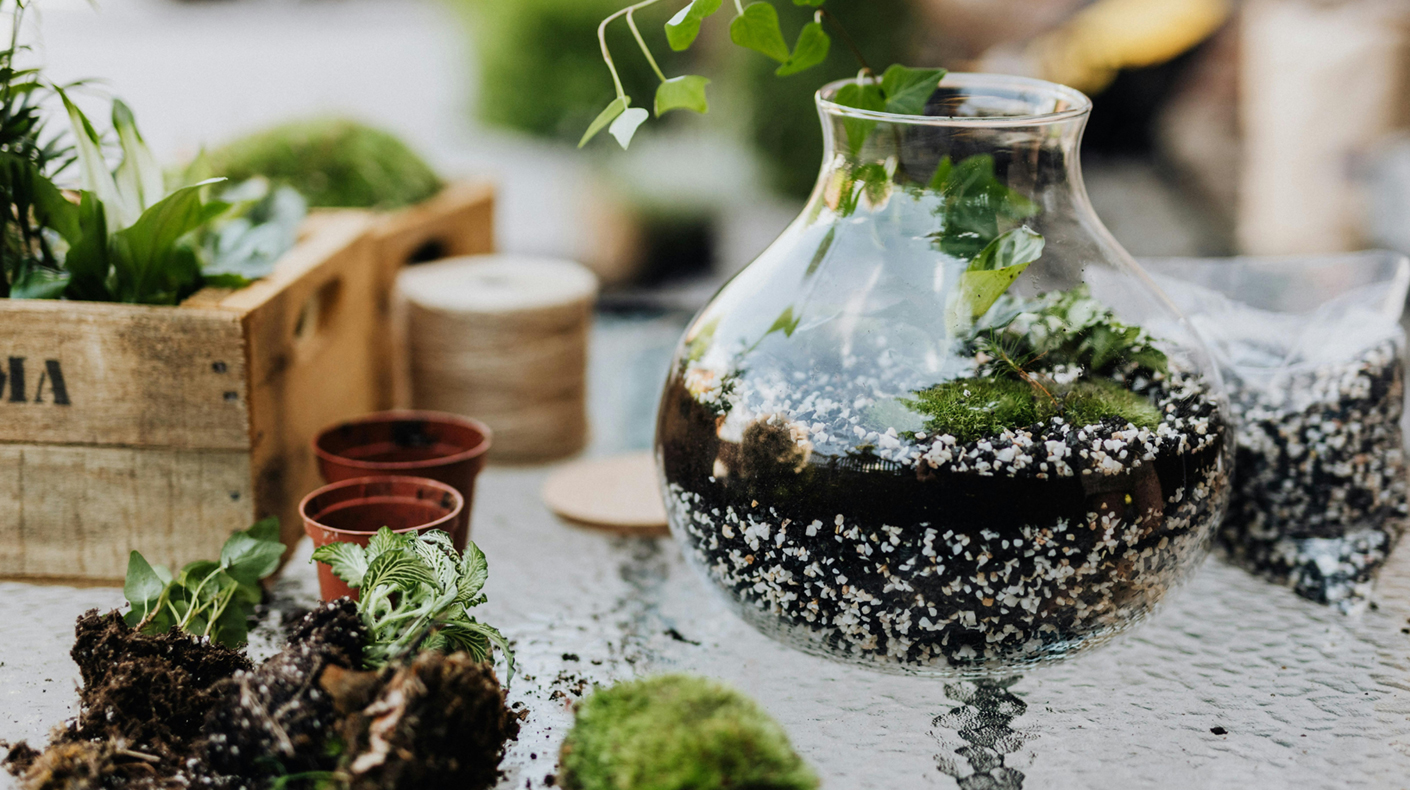
A Campus Tradition Rooted in Creativity
At the University of Wisconsin–Milwaukee, one event has quietly become a student favorite.
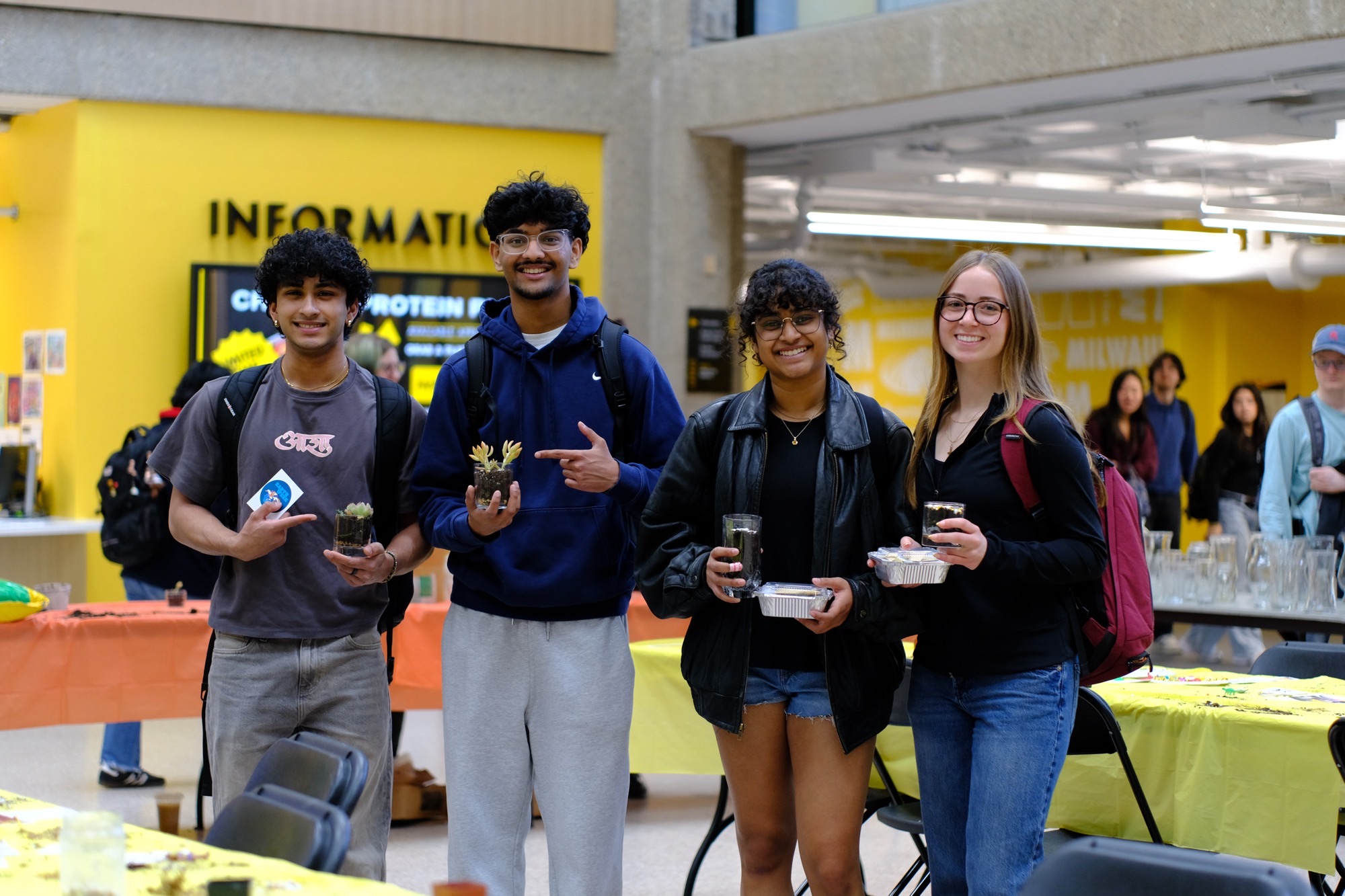
Every year—just before finals—hundreds of students gather in the student union to create their own terrariums. What started as a small sustainability-focused activity has grown into a campus tradition, drawing more than 200 students eager to build something of their own.
Part of what makes it so special?
Each terrarium is completely unique—and many of them start with thrifted finds.
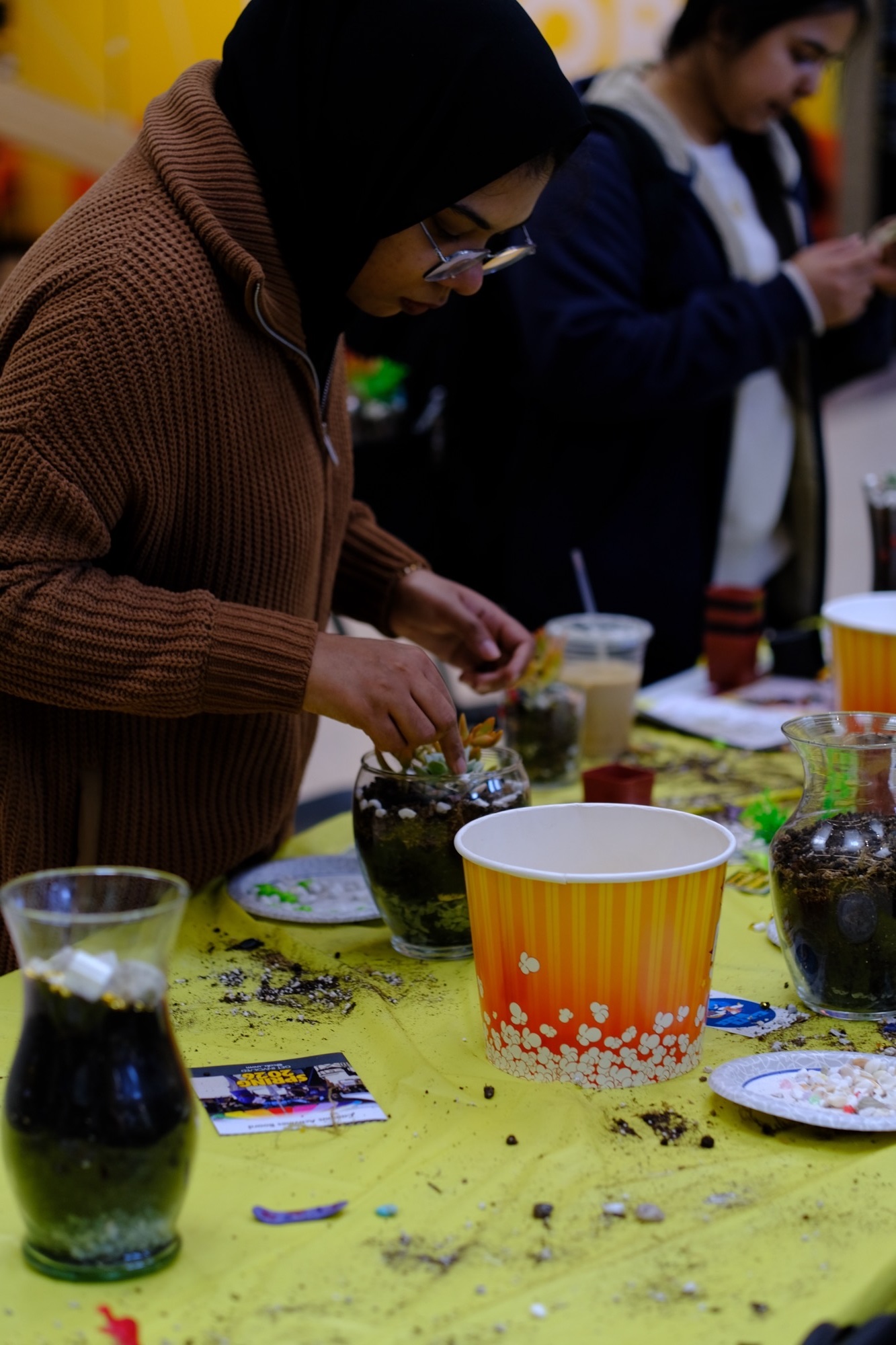
Working with glassware sourced from Goodwill, students choose their own containers, layer materials, and design miniature worlds that reflect their personality—from simple plant arrangements to full-on fairy gardens.
The best part?
You can do it too.
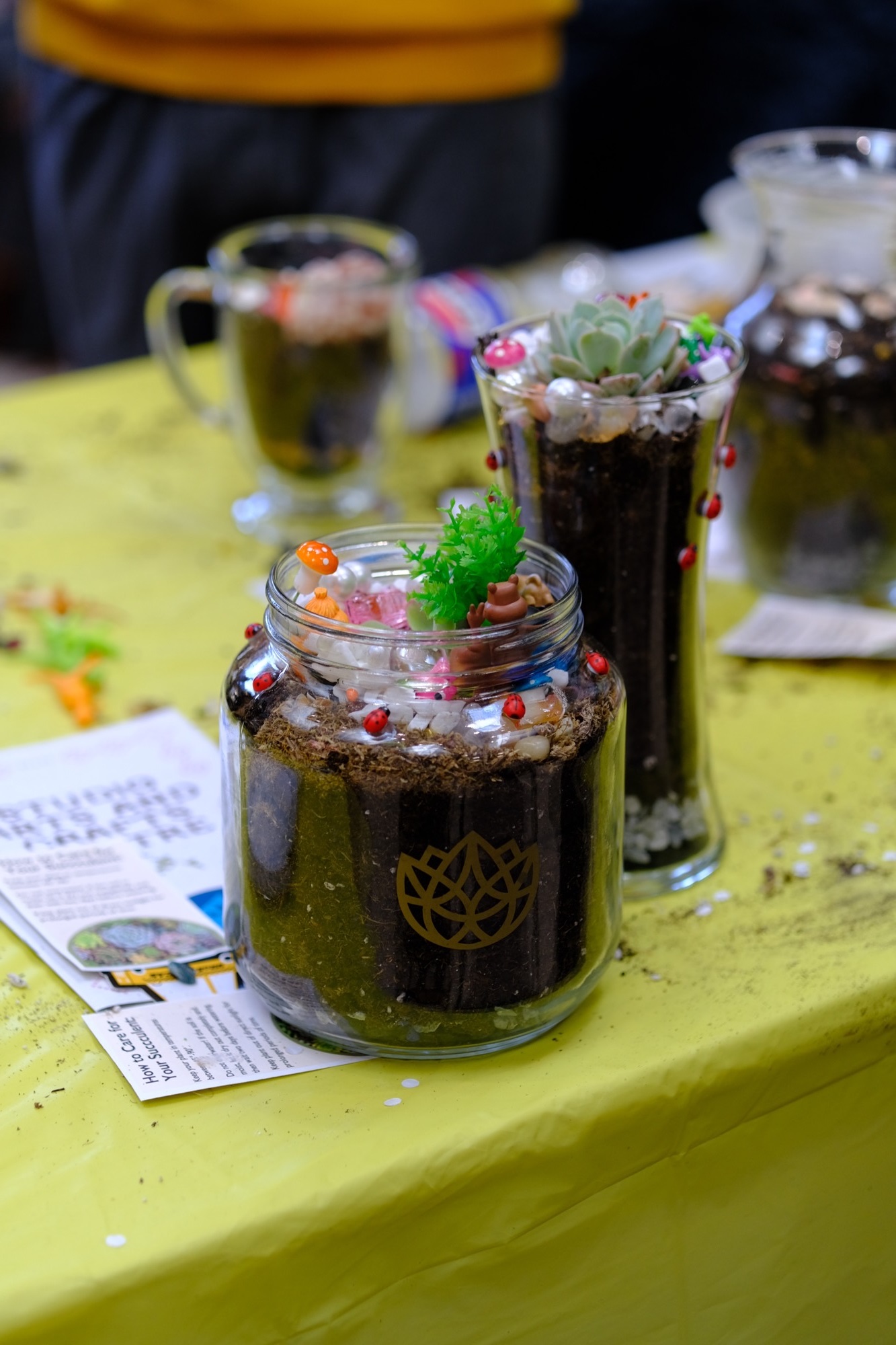
What You Need to Make a DIY Terrarium
One of the biggest takeaways from UWM’s event is just how accessible this project is.
Start with a thrifted container:
- Glass mugs
- Cups
- Vases
- Bowls
There’s no “perfect” shape—but containers with a little curve or depth tend to work best for water flow and layering.
Core Materials:
- Sand
- Small rocks or pebbles
- Charcoal
- Moss
- Potting soil
- Succulents
- Optional: decorative elements (mini figurines, stones, etc.)
Each layer plays a role in keeping your plant healthy—and together, they create a self-sustaining mini environment.
How to Make a Terrarium (Step-by-Step)
At UWM, students are guided through each step and learn why each layer matters. Here’s a simplified version you can follow at home:
Step 1: Start with Sand (Your Foundation)
Add a layer of sand to the bottom of your container. This creates a base for the rest of your materials.
Step 2: Add Rocks for Drainage
Layer small rocks on top of the sand. This helps prevent water from pooling and keeps the layers separated.
Step 3: Add Charcoal
Charcoal helps filter the environment and supports overall plant health.
Step 4: Layer Moss
Moss helps retain moisture and creates a barrier between layers, keeping everything balanced.
Step 5: Add Soil
This is where your plant will live. Add enough soil to support the roots of your succulent.
Step 6: Plant Your Succulent
Place your plant last, once all layers are in place. This ensures it sits properly in the soil and remains stable.
Step 7: Make It Your Own
This is where the fun begins.
At UWM, students personalize their terrariums with everything from tiny dinosaurs to butterflies and ladybugs—turning each piece into a reflection of their personality.
Make It Personal
There’s no right way to design your terrarium.
Some students keep it simple. Others go all in—creating miniature landscapes or even shared designs with friends and roommates.
One standout idea?
Flat, wide containers transformed into “fairy gardens,” complete with multiple plants and decorative elements.
The takeaway:
Let it reflect you.
How to Care for Your Terrarium
Good news—this is one of the lowest-maintenance DIY projects you can make.
- Water about once a week
- Keep in a space with natural light
- Don’t stress if it’s not perfect—succulents are resilient
Even if you miss a step or forget a layer, your plant can still thrive with basic care.
Why This DIY Just Works
There’s a reason this event continues to grow year after year.
For many students, it’s:
- A creative break before finals
- A way to personalize their space (especially in dorms)
- A chance to take home something living and lasting
It’s also a reminder that creativity doesn’t have to be complicated—or expensive.
Start with What You Can Find
One of the most inspiring parts of UWM’s terrarium tradition is how it encourages people to look at everyday items differently.
A mug.
A vase.
A glass you almost passed up.
With a little creativity, it becomes something entirely new.
Try It Yourself
Whether you’re recreating this at home, with friends, or just looking for your next creative project—this is one of the easiest ways to start.
Next time you’re at Goodwill, take a closer look.
Your next DIY might already be waiting.
Because every item deserves a second chance.
Check out the highlights from University of Wisconsin-Madison's annual event where students made their own terrariums using thrifted finds from Goodwill!