
Is It Real? How to Tell if Pearls Are Real

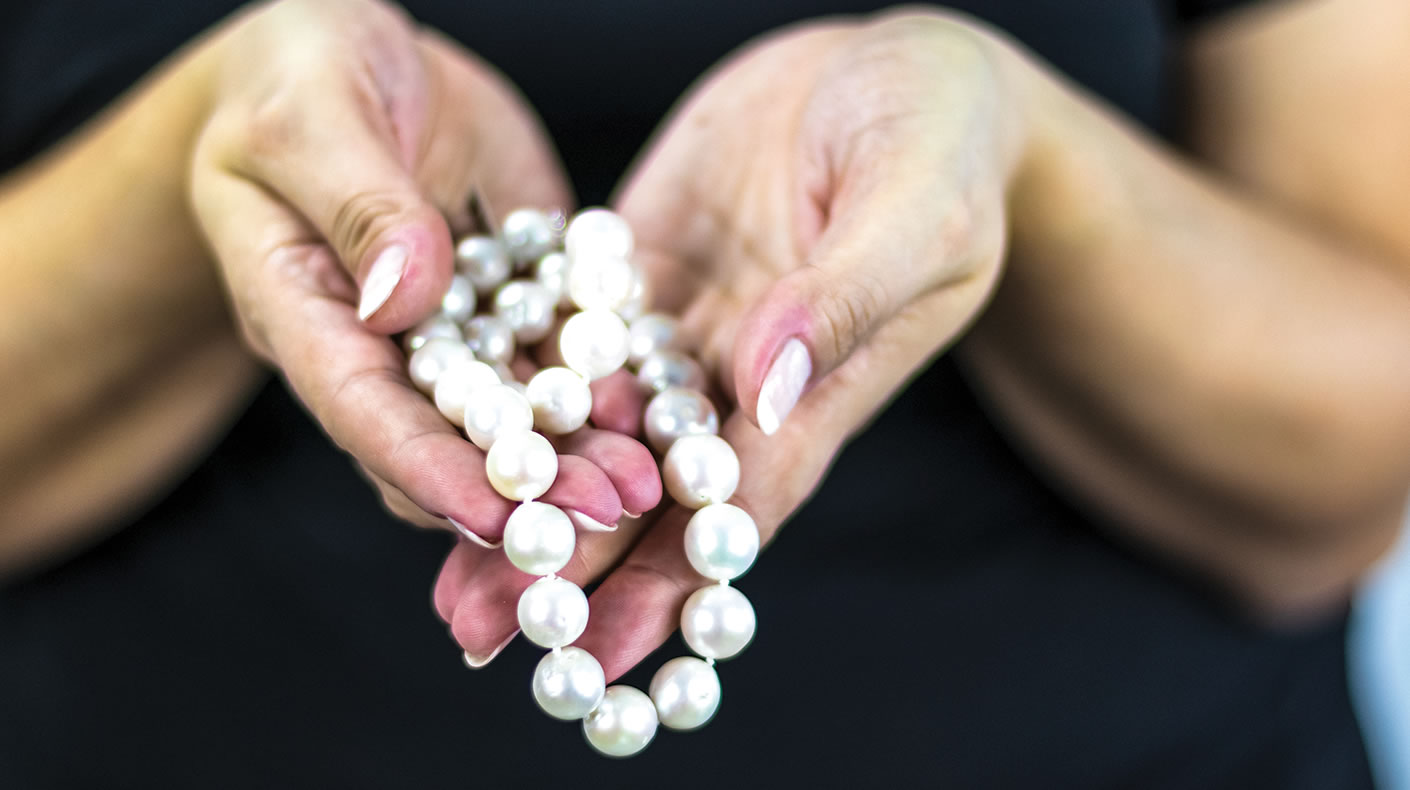
How to Tell if Pearls Are Real When Thrifting Secondhand
As part of Goodwill’s Ecommerce team, I get to see incredible fine jewelry come through our processing every day. One of the most common pieces people ask about (and are intimidated by) is pearls. They feel mysterious, high-end, and easy to fake… so I’m going to walk you through what to actually look for, what not to stress about, and how to trust your eye when you’re thrifting pearls secondhand — including on shopgoodwill.com.
Most Common Types of Pearls
Most pearls found today are cultured pearls — meaning humans helped “start” the pearl formation process by introducing an irritant inside the clam or mollusk. But that doesn’t make them less real — just more common, and more affordable secondhand.
You’ll see freshwater more frequently than saltwater, since saltwater pearls like Tahitian and Japanese are rarer.
Are Real Pearls Actually Common at Goodwill?
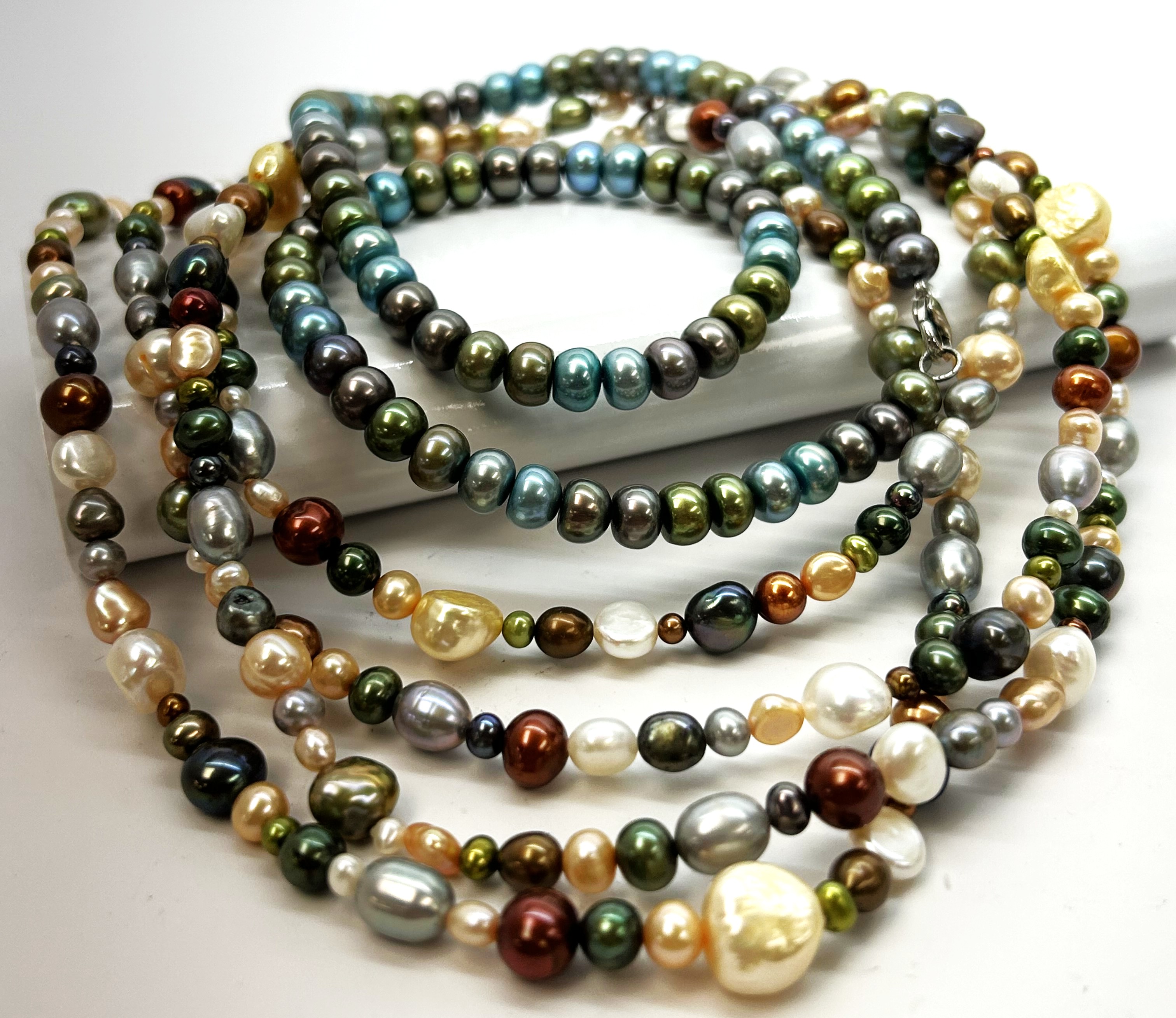
Yep. We see real pearls all the time, especially in finer jewelry and classic single-strand necklaces. Faux pearls tend to show up more in vintage costume jewelry from the 30s–60s era — a time when people wanted the luxury look during economic decline. So both definitely exist in the thrift ecosystem.
Which Eras Show Real Pearls More Often?
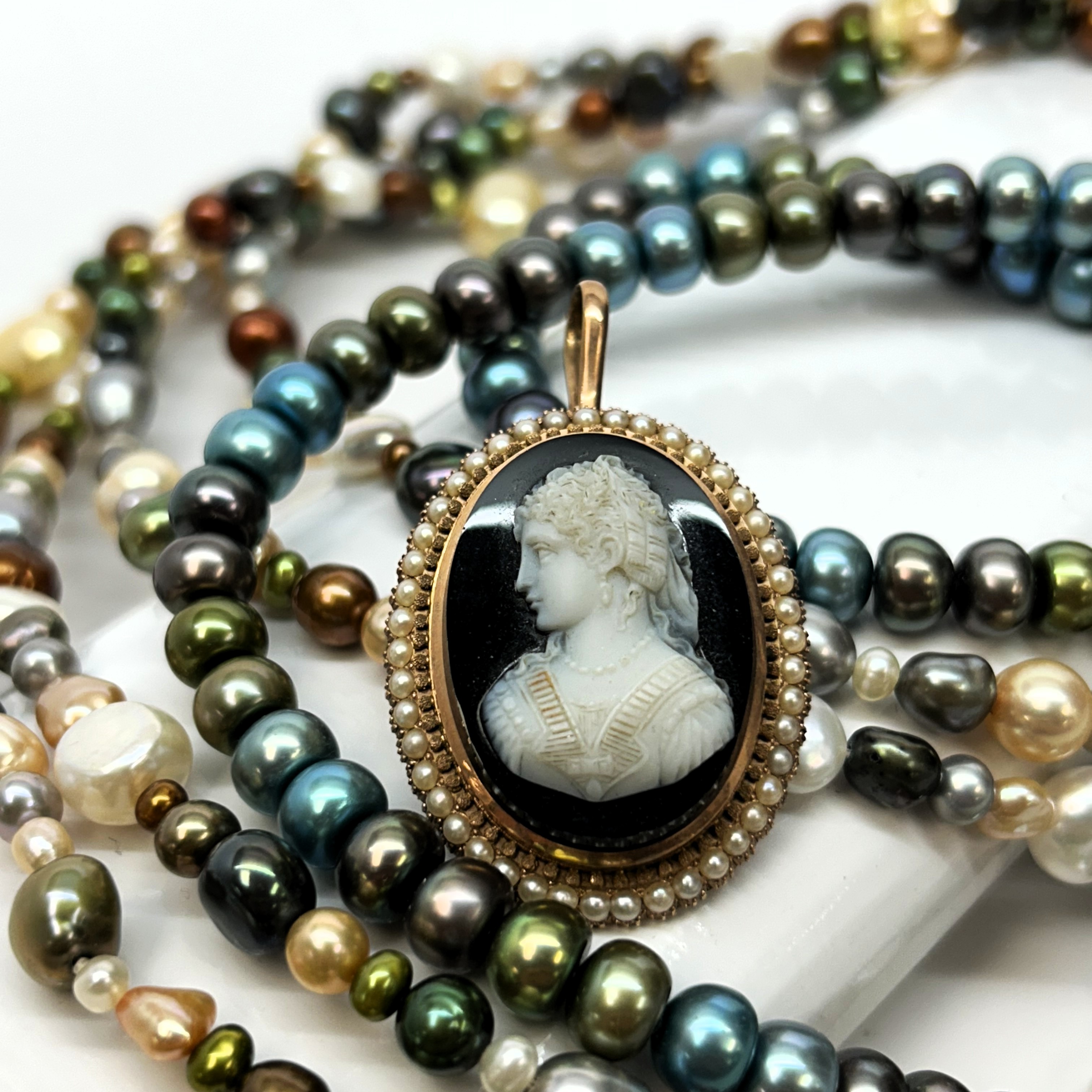
Victorian and art nouveau eras loved using seed pearls — tiny pearls used in brooches, pendants and pins. You’ll also see collegiate and sorority pins featuring seed pearls. Pearls have been used forever, but these categories show up often and carry beautiful history.
How to Spot a Real Pearl
Look for:
- Luster: Real pearls have iridescence — subtle shifting color and light.
- Texture: Real pearls have tiny bumps, divots and organic individuality.
- Shape: If it looks too perfectly round, it might be fake.
- Knots between beads: Higher-quality strands are hand-knotted between pearls.
- The gentle “tooth test”: If you find pearls in a store, try this method. Real pearls feel gritty when rubbed lightly together. Fake pearls feel smooth and plastic-like.
Pay Attention to Metal + Setting
Pearls set in sterling or gold are very likely real. Freshwater pearls typically show up in silver settings more often. Saltwater pearl settings (especially Tahitian) are much rarer — and more high-value.
If you see flaking paint, chipping coating, or unnatural perfect uniformity — those are strong signs you’re looking at faux pearls.
Cleaning + Care
Pearls are organic and soft. Skip cleaners and ultrasonic machines. Light water, gentle cloth — that’s it. Treat them gently and they will last generations.
Why Secondhand Pearls Matter (Mission + Sustainability)
At Goodwill, when you shop secondhand — especially fine jewelry — you’re giving these pieces continued life and fueling job creation and workforce development. You’re also reducing waste by not contributing to additional harvest and production.
And if you want to explore truly special finds — our Ecommerce channel holds the highest quality pieces. Including rare designer ones. I once processed a pair of larger Tahitian pearl earrings set in 18k white gold with diamonds… truly unreal in person.
Final Thought
Trust your eye, trust the luster, and remember: if the price feels way too good to be true — it probably is.